
Choose Your Right Snaffle Bits
Select a snaffle bit by considering your discipline's needs, your horse's age, training level, mouth conformation, and sensitivity, starting gently with double-jointed styles, assessing proper fit, and experimenting with different shapes and materials to find the one that optimizes communication.


Snaffle Bits
Why Choose Snaffle Bits for Your Horses
Comfort for Your Horse
Snaffle bits are milder, ensuring minimal discomfort for horses.
Stable and Predictable
Their shape gives a steady feeling in the horse's mouth, so horses respond in expected ways.
Easy to Talk to Your Horse
They provide direct pressure and clear communication between rider and horse.
Good for Many Riding Styles
Snaffle bits work well for different riding activities like dressage, outdoor rides, and teaching young horses.
Great for Training Young Horses
Their shape lets riders guide each side separately, helping young horses learn better.
Tailored Riding Experience
Riders can choose snaffle bits based on their specific training goals and horse comfort.
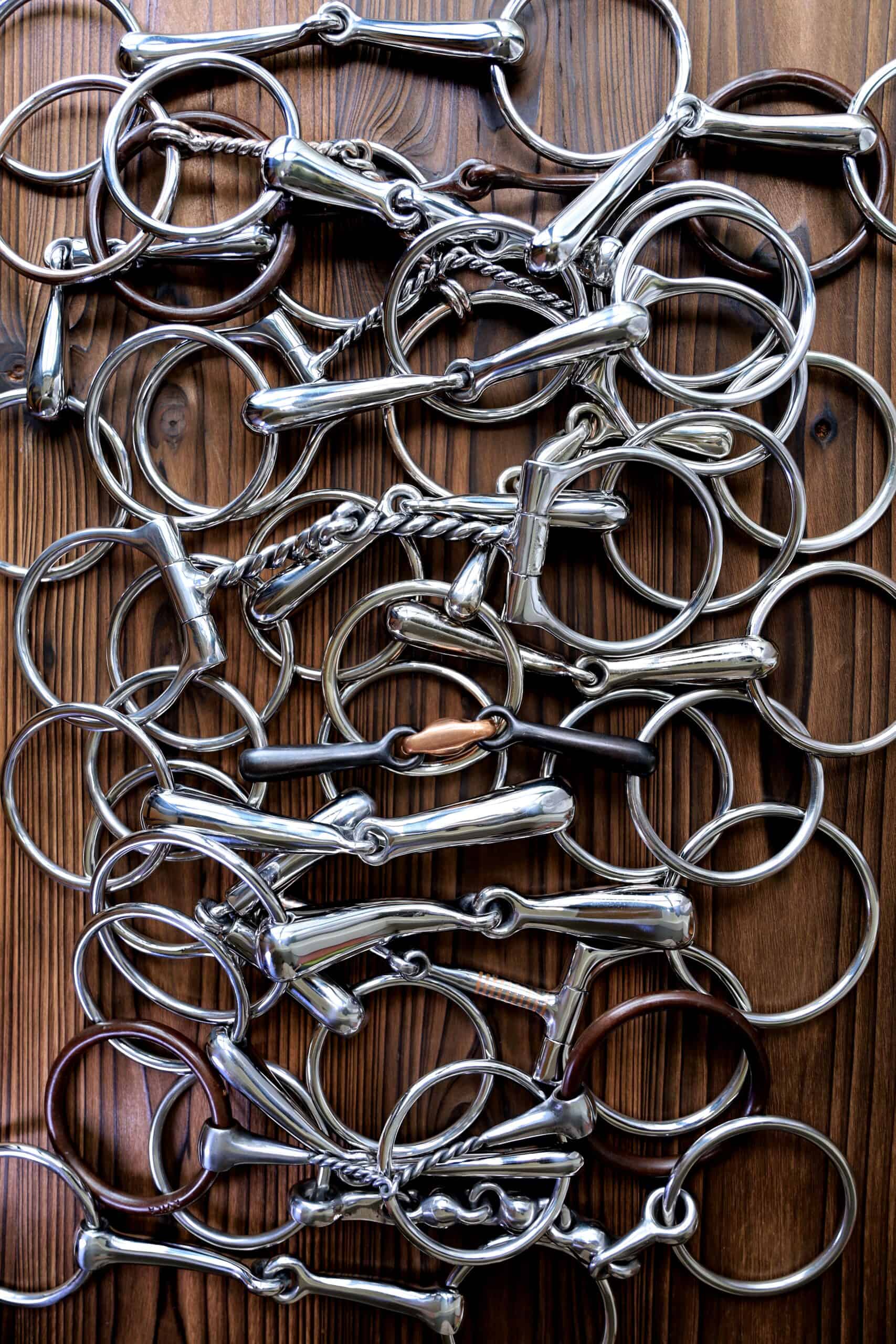
Explore Peace All Types Snaffle Bits
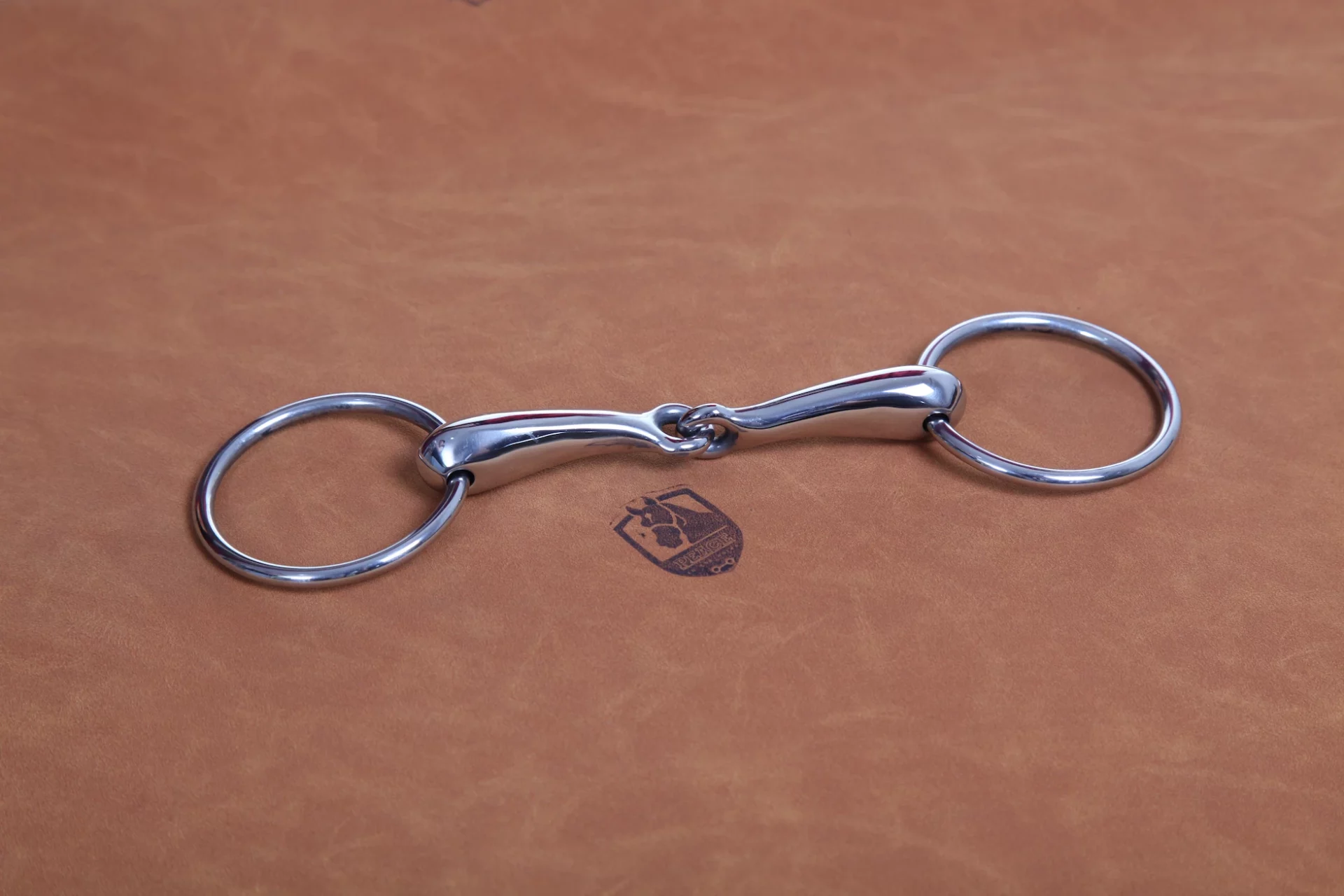
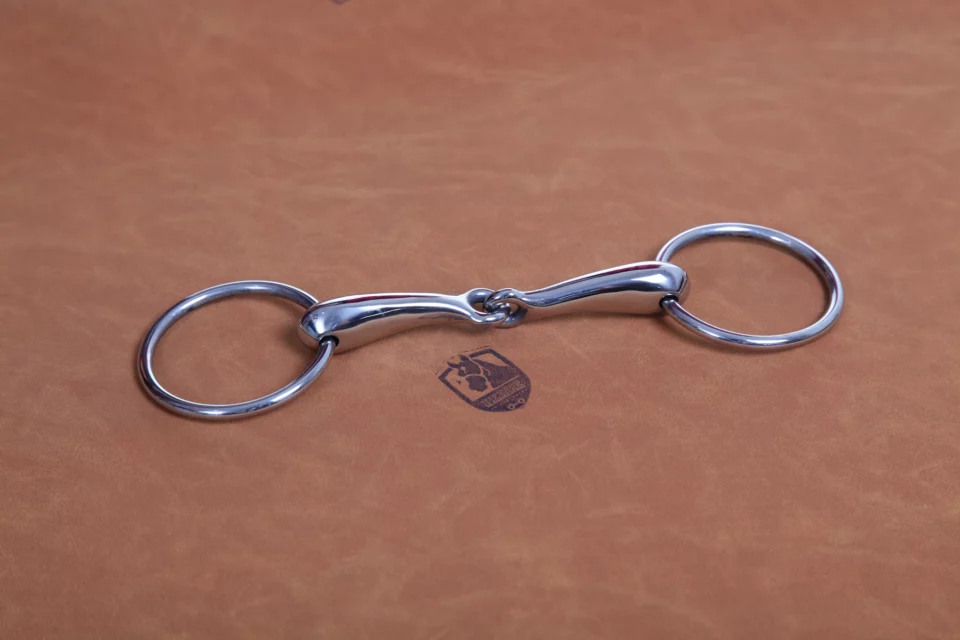
Loose Ring Hollow Bit
English Bits$78.90
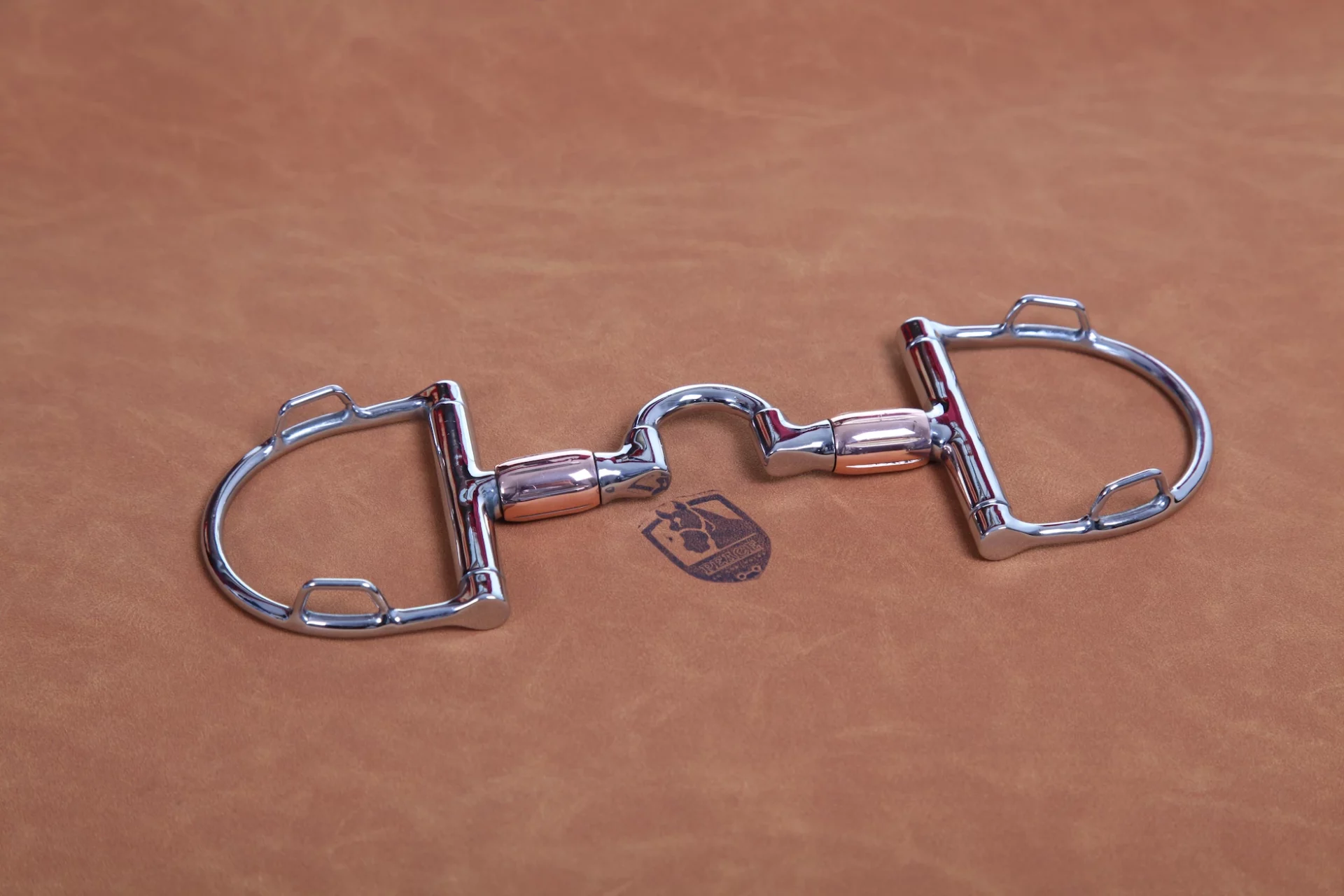
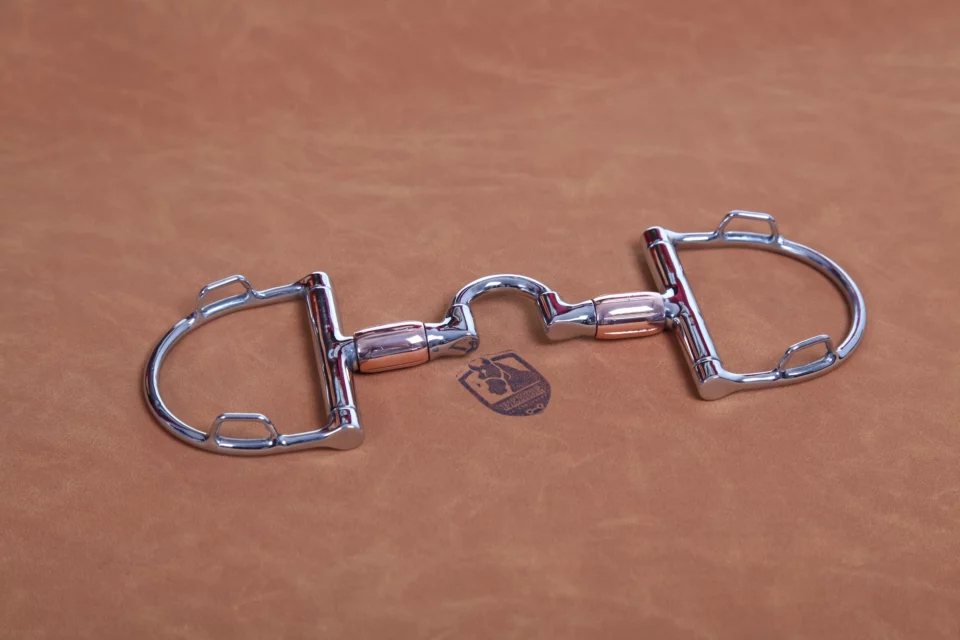
Pro Correction w/Copper Roller D Ring Bit
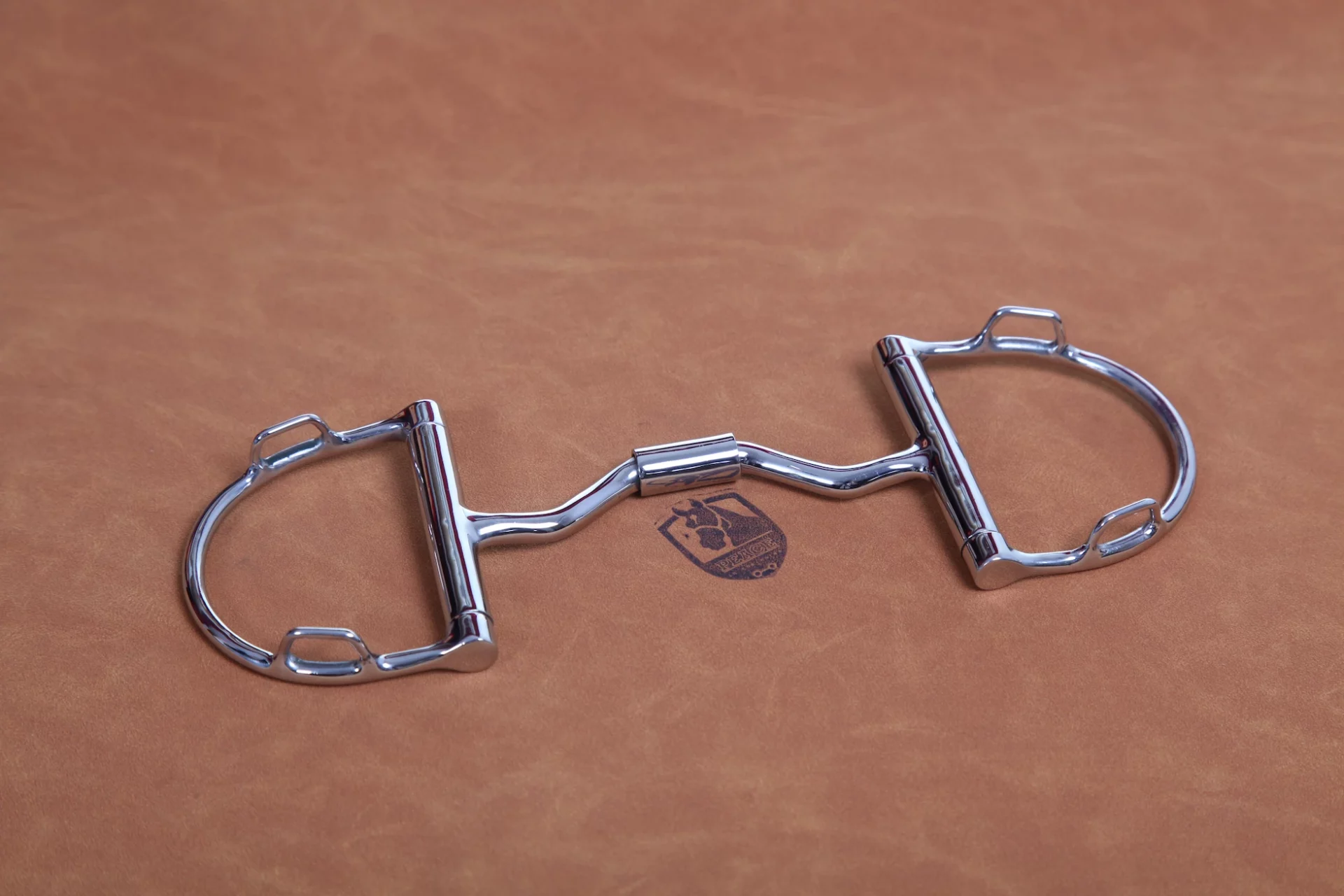
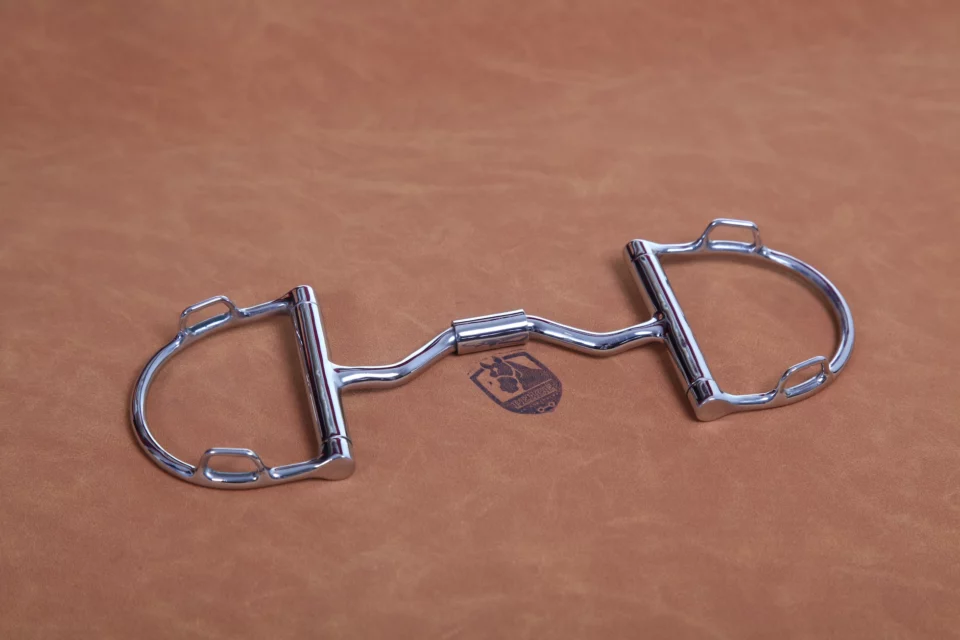
Westen Bits$118.90Stainless Steel Ported Barrel D Ring Bit
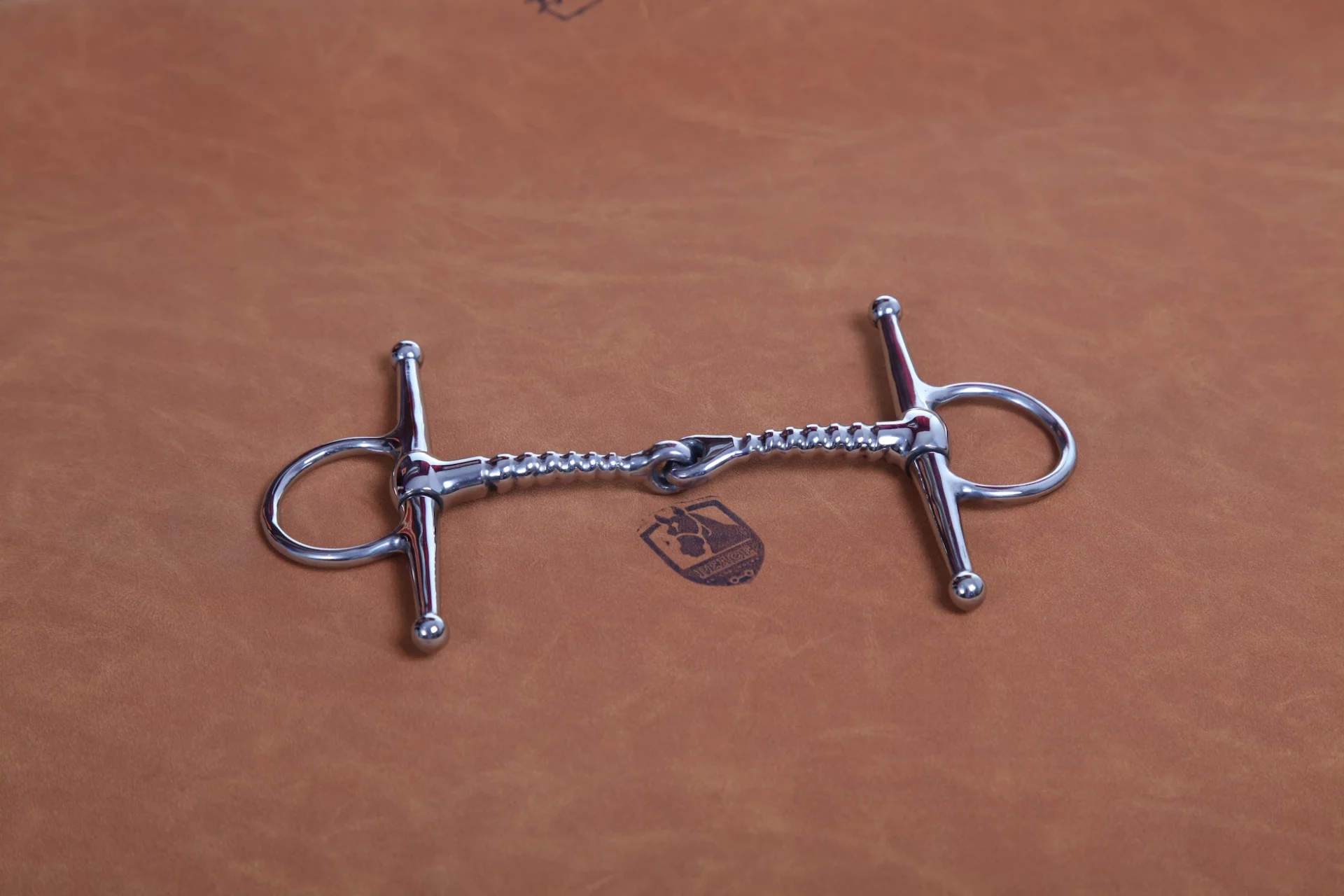
Westen Bits$92.90Corkscrew Full Cheek Snaffle Bit
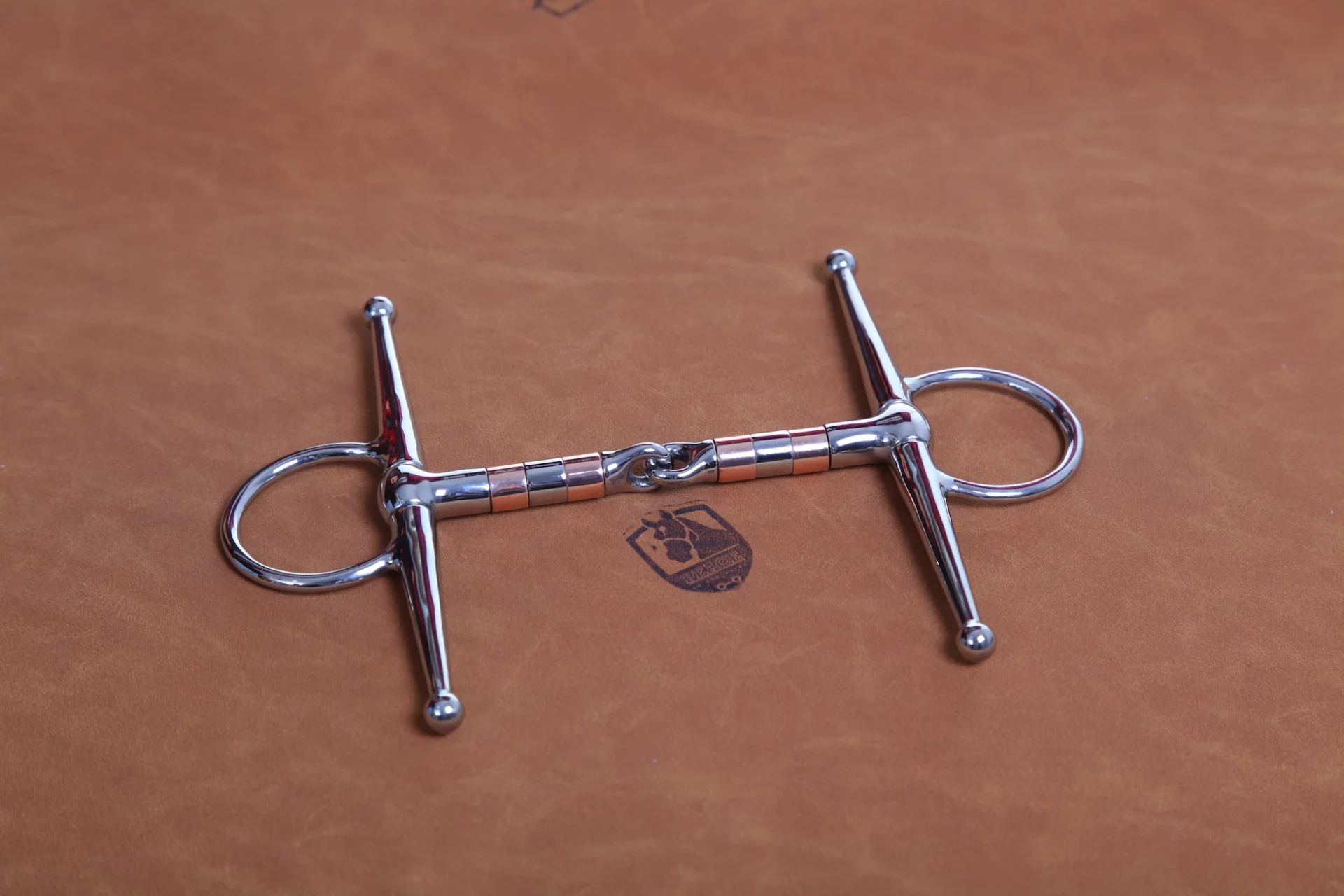
English Bits$85.90Full cheek With Copper Rooller Bit
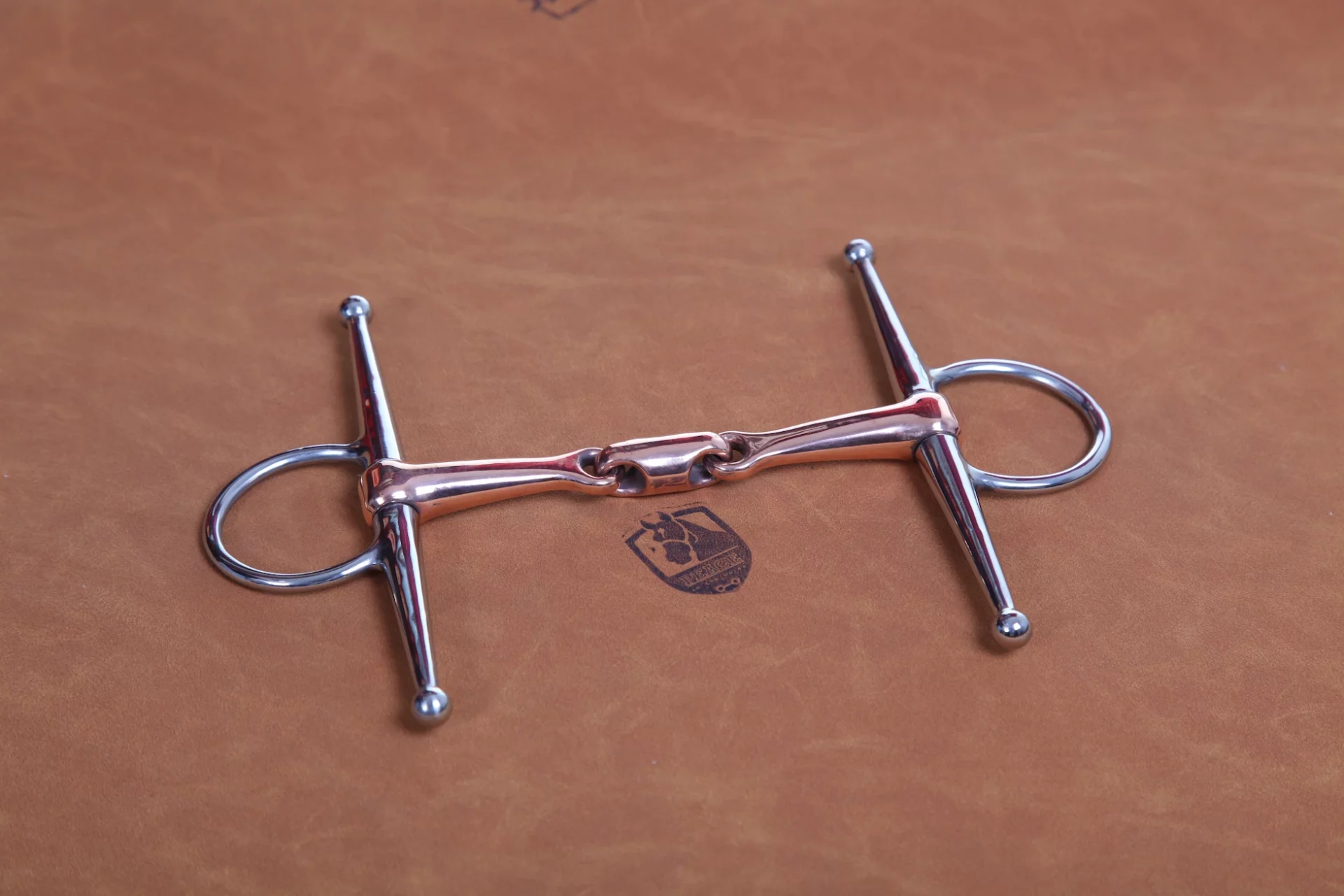
English Bits$128.00Full Cheek With Double-Jointed Bit
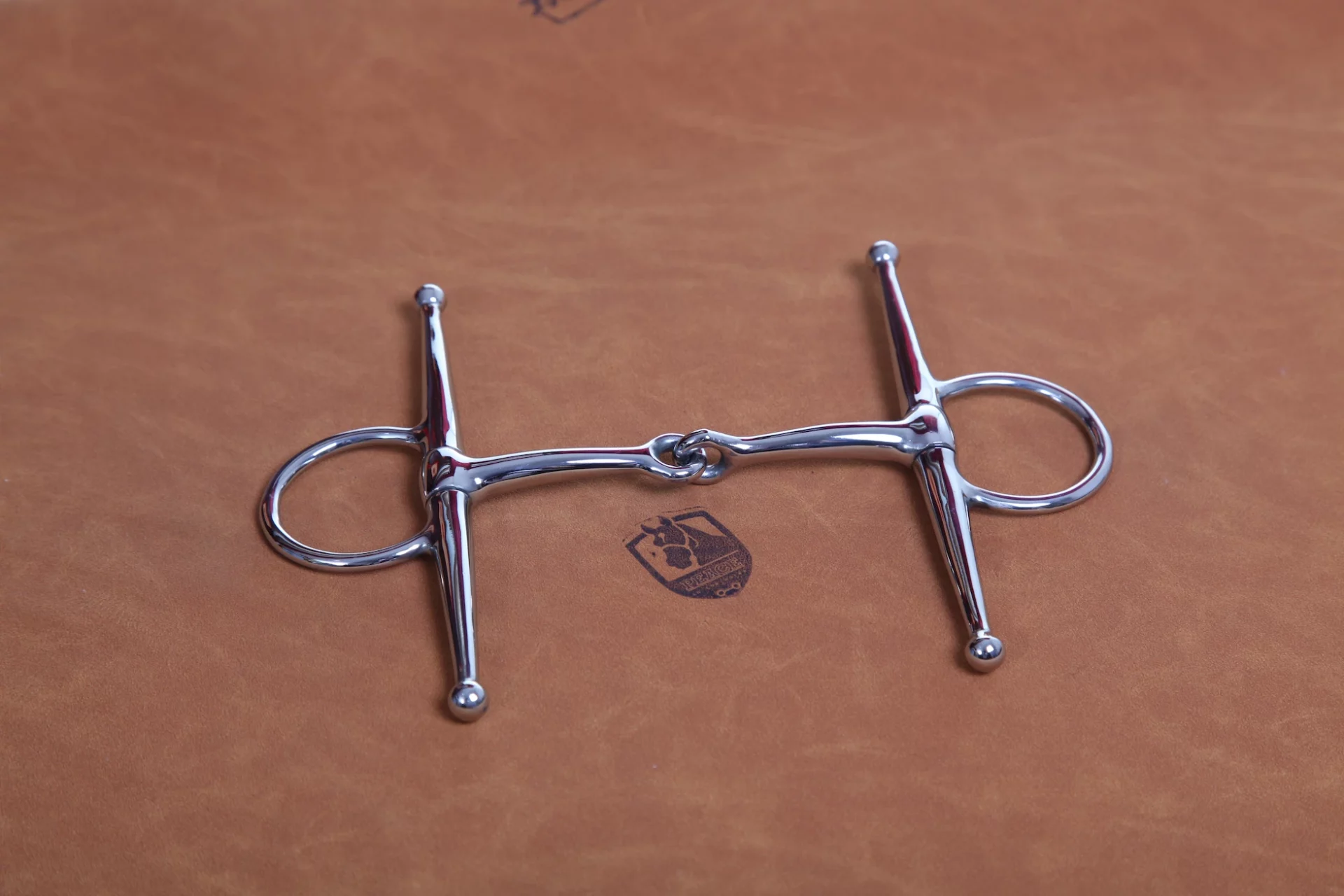
English Bits$89.00Full Cheek Jointed Bit
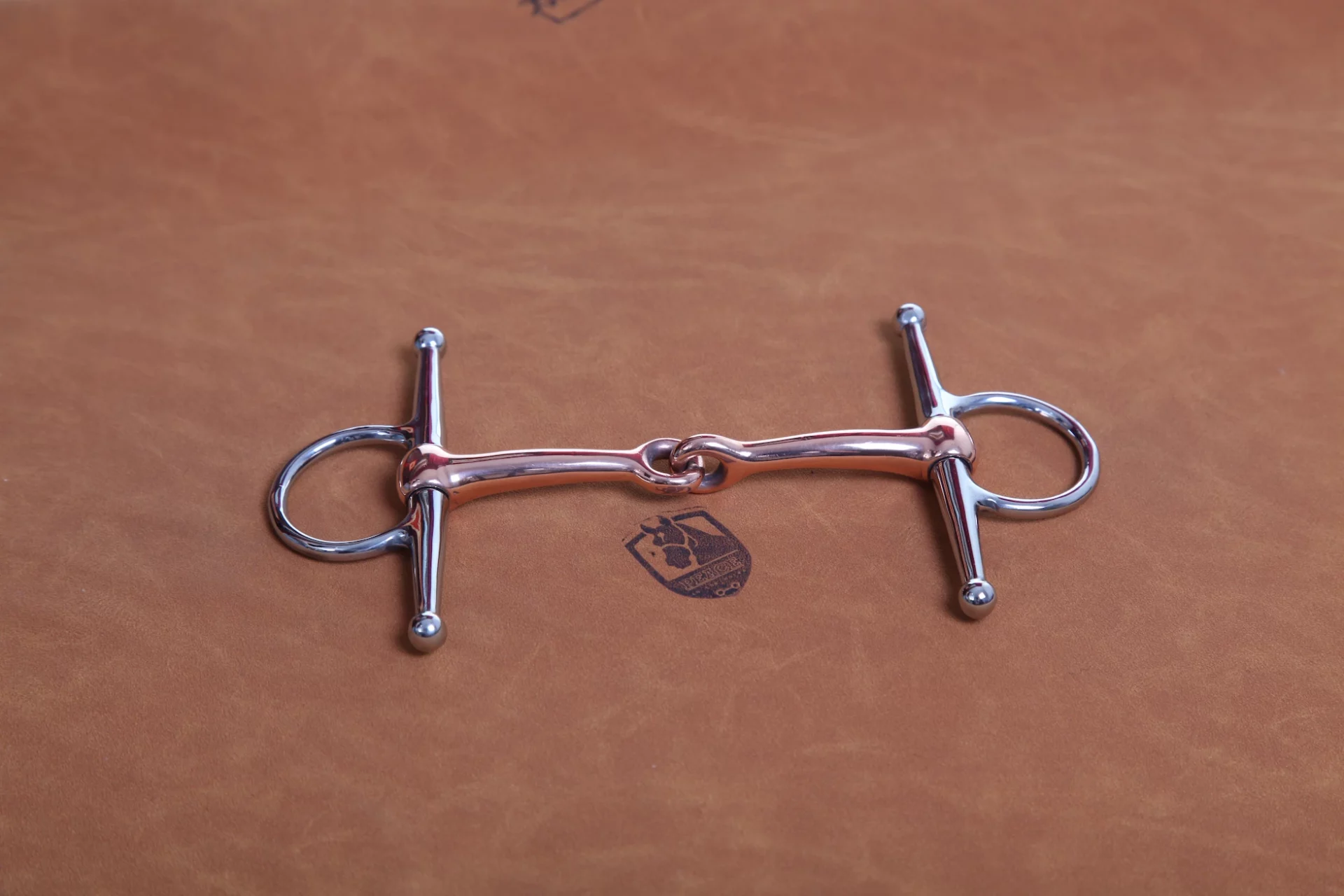
English Bits$88.90Full Cheek With Copper Jointed Bit
English Bits$89.90Pingguo Eggbutt Jointed Bit with Roller
English Bits$89.90Eggbutt Jointed Bit
English Bits$88.90Round rings Eggbutt With Stainless Steel Elliptical Link Bit
English Bits$89.90Blue Sweet iron Jointed Eggbutt Snaffle Bit
English Bits
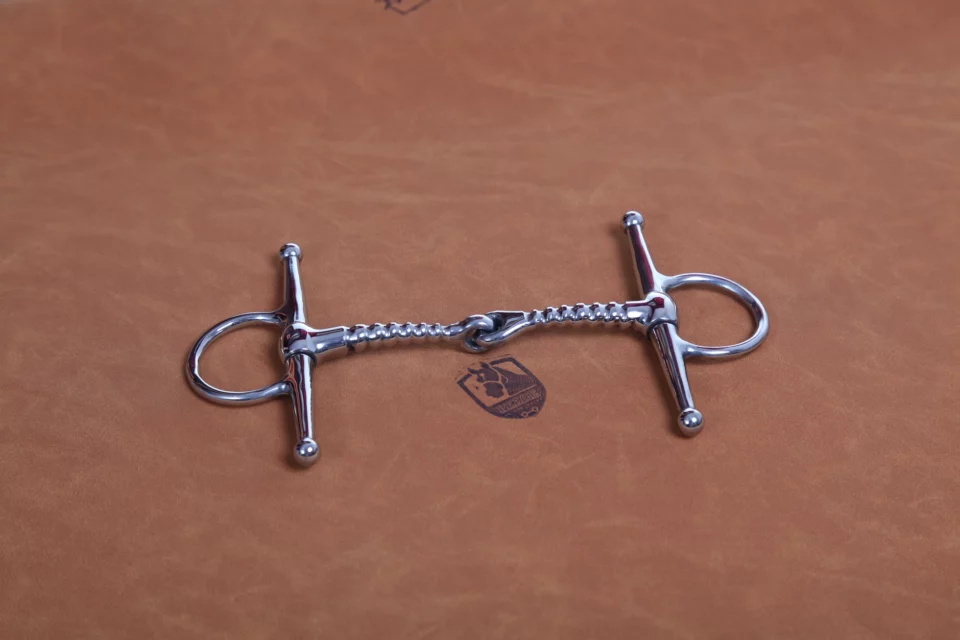
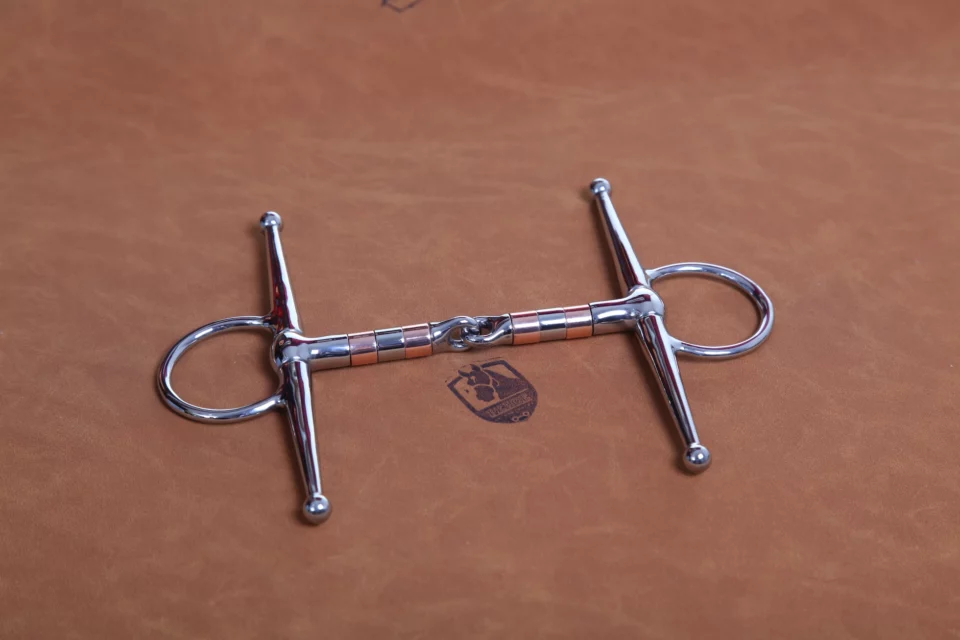
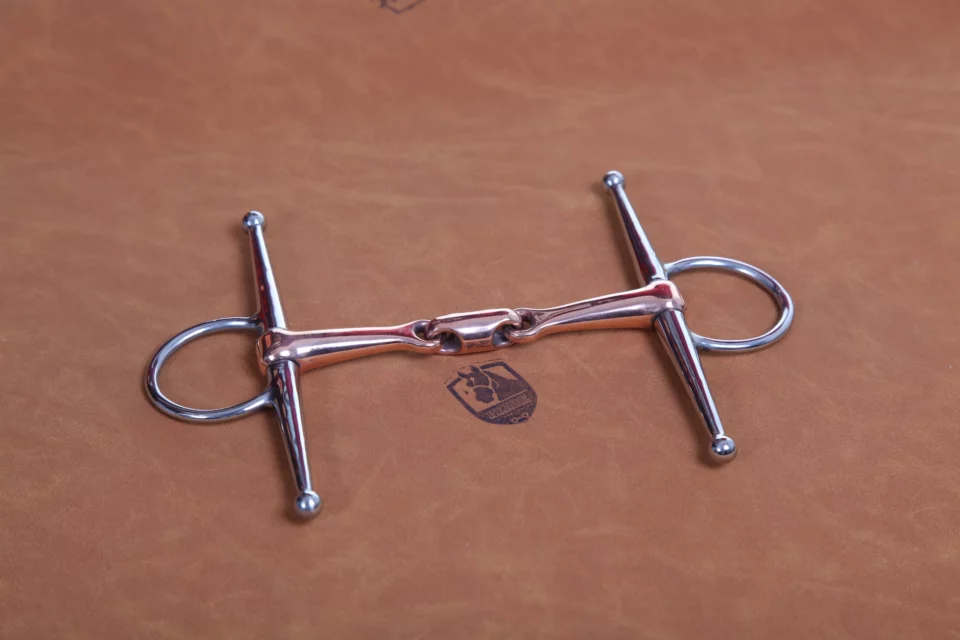
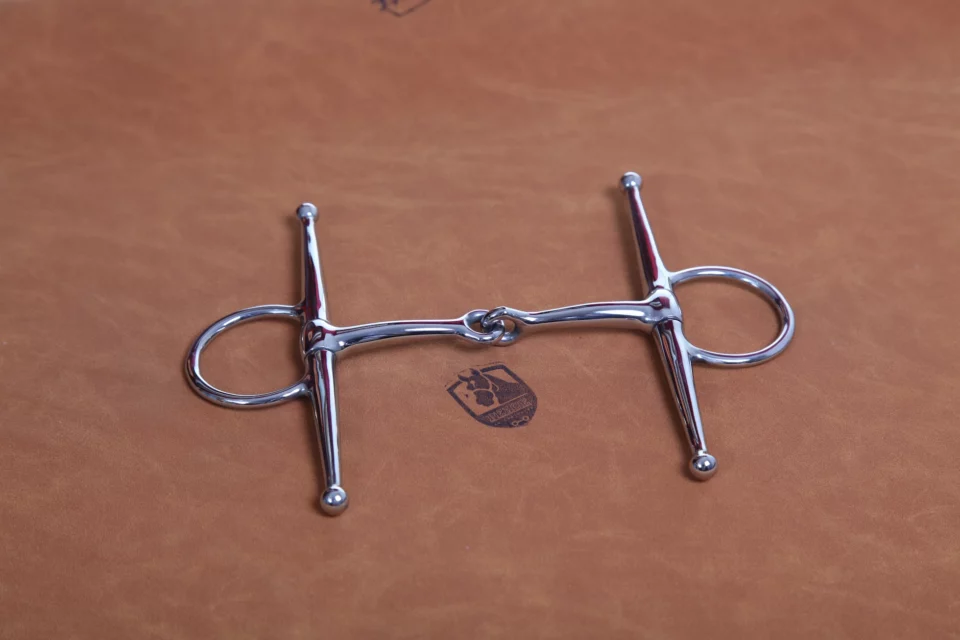
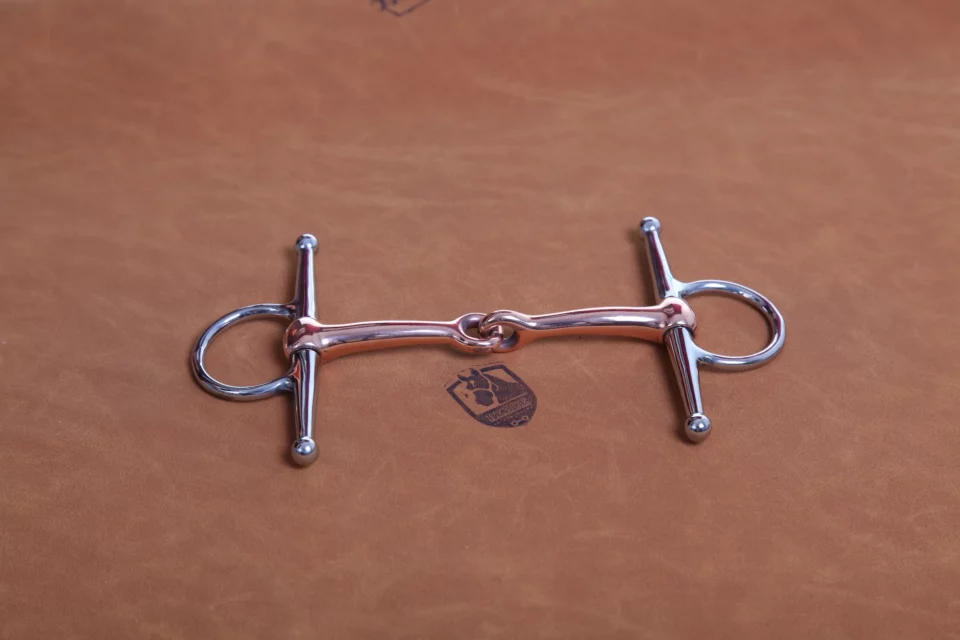
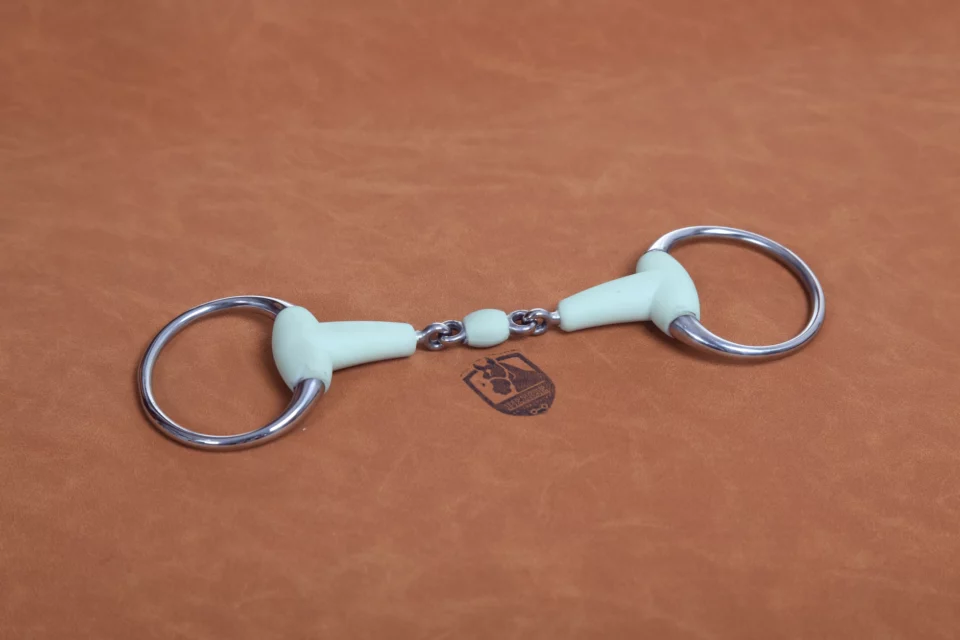
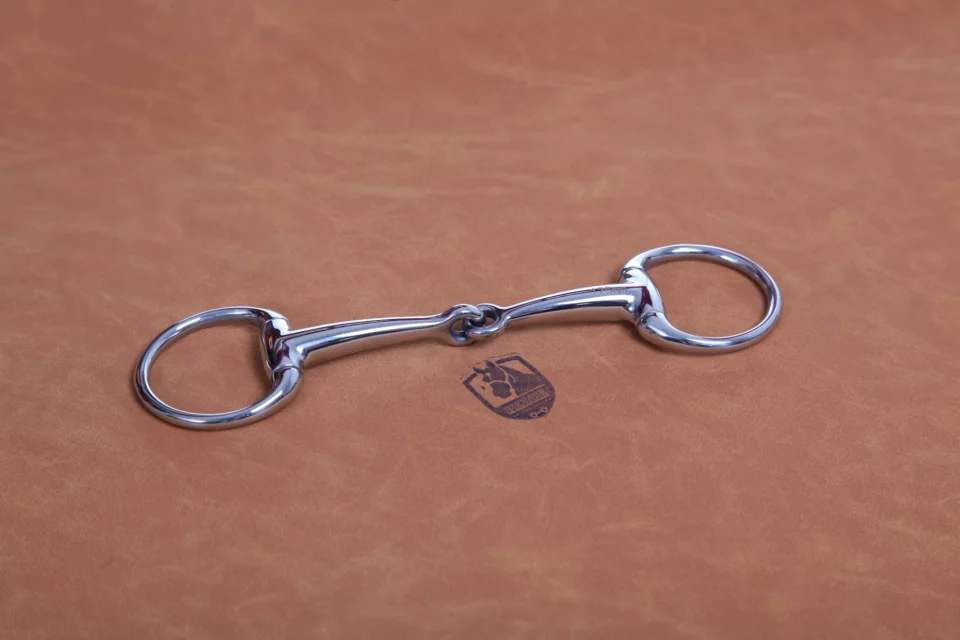
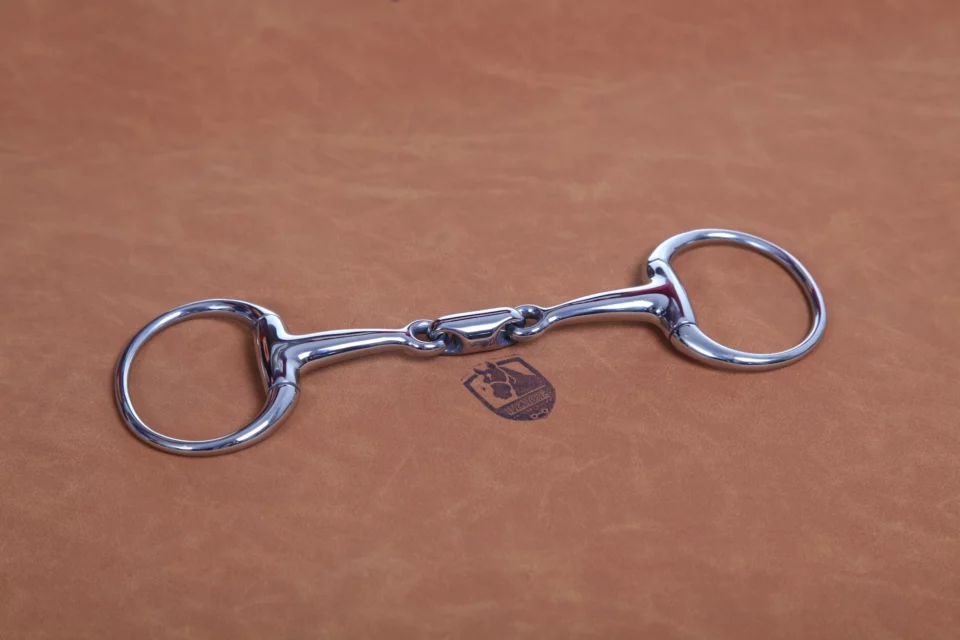
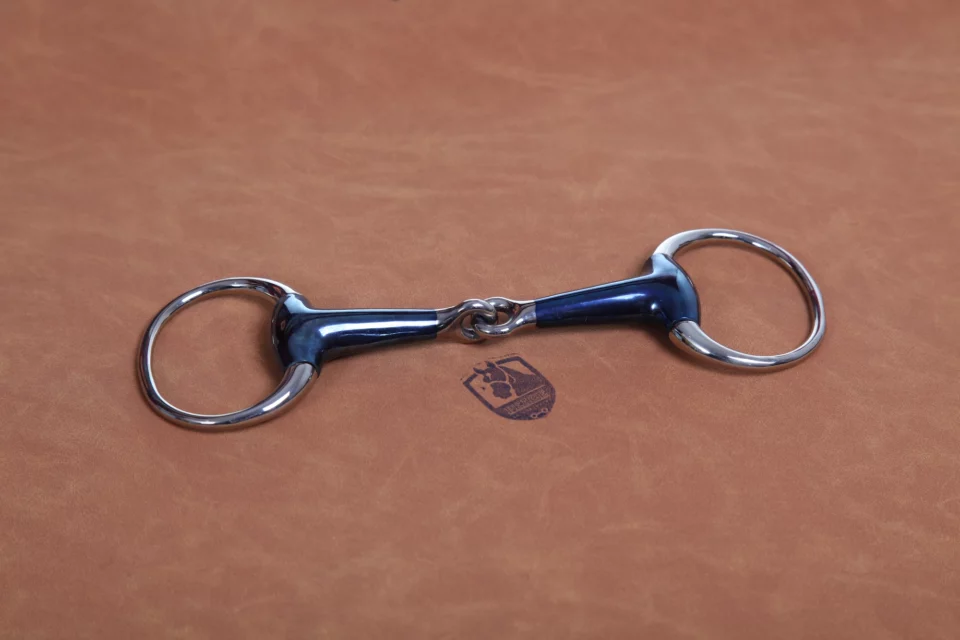
Types of Snaffle Bits, Differences Between Western and English Snaffle Bits

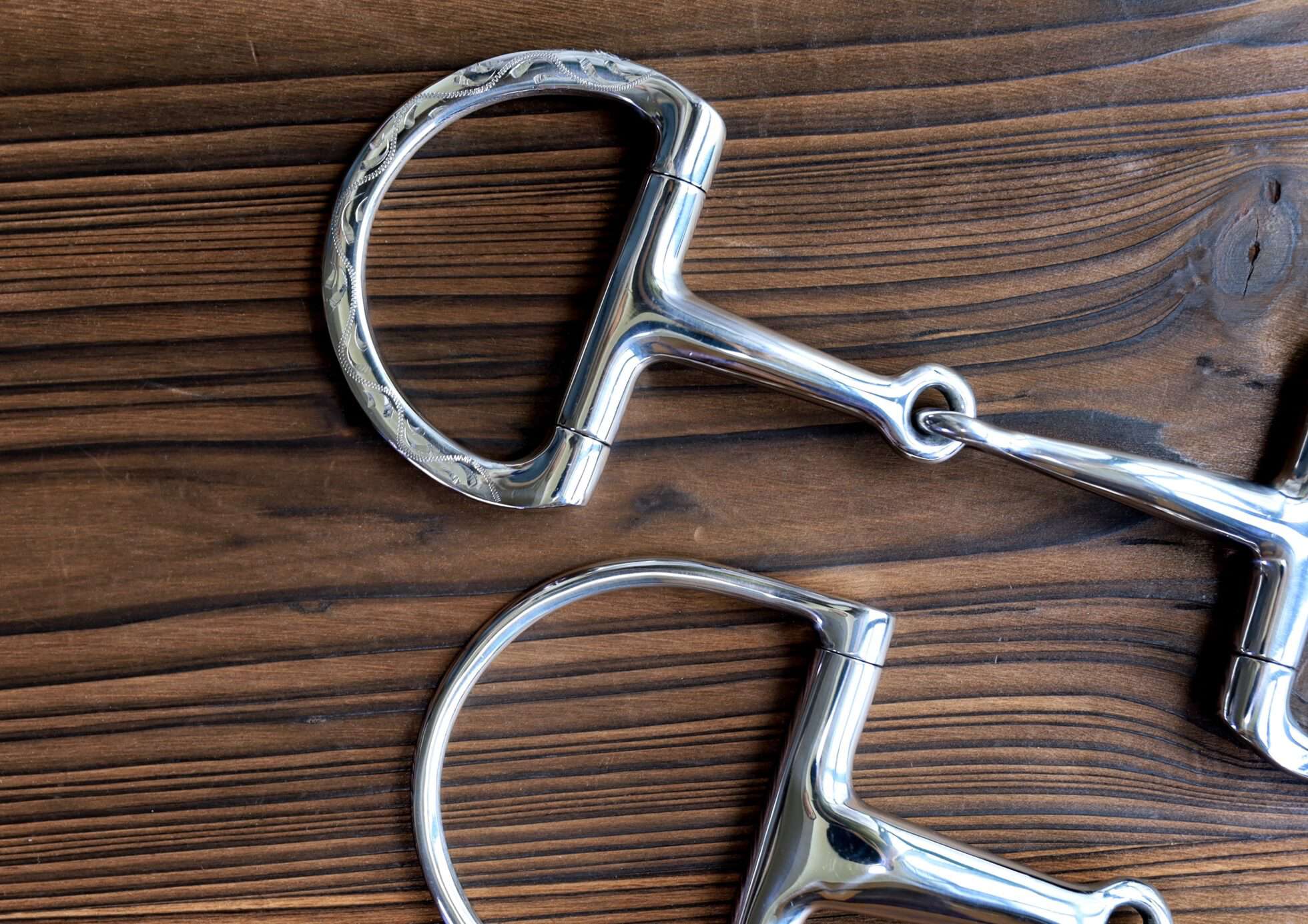
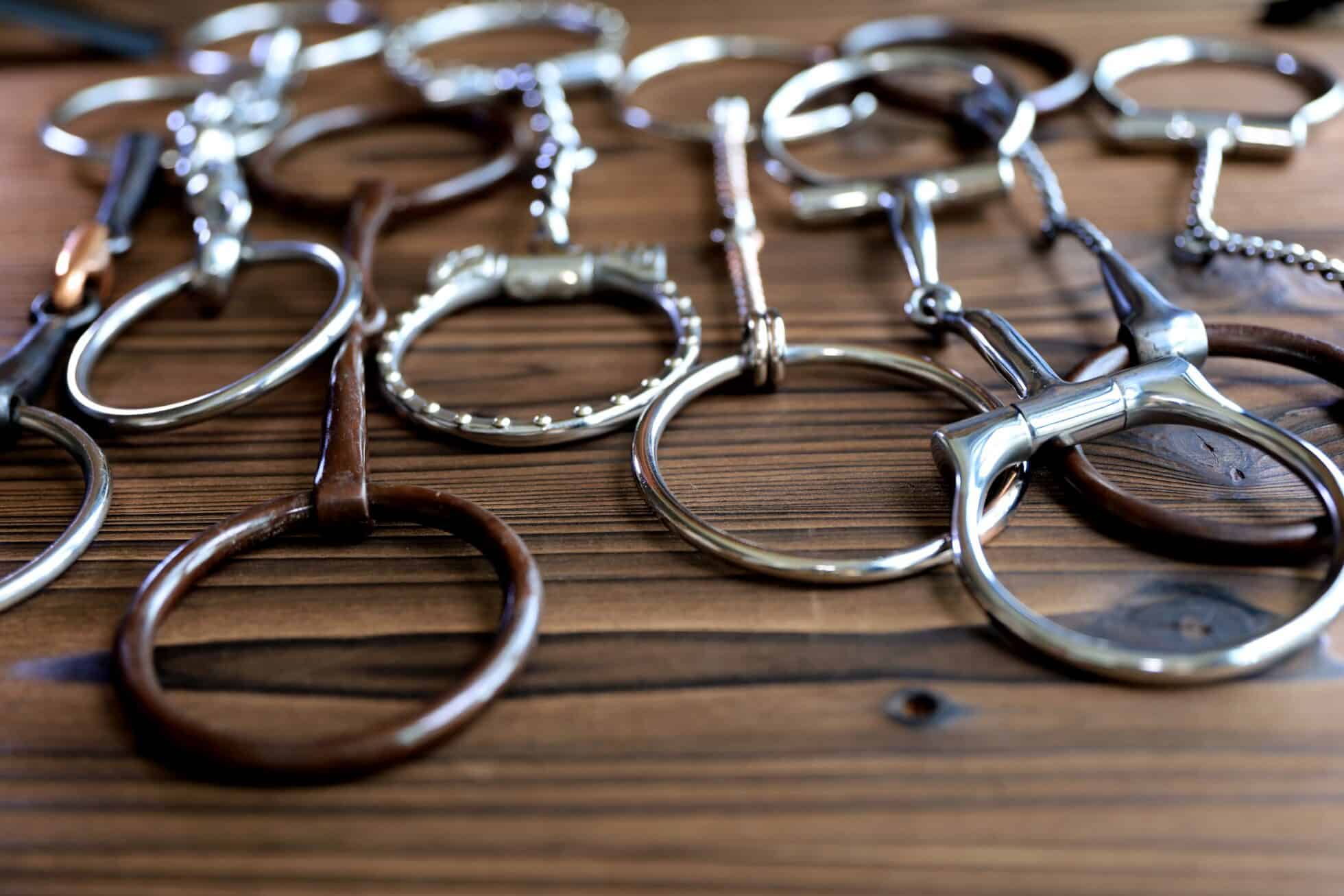
English snaffle bits have smaller rings suited for precise disciplines like dressage and jumping, while Western snaffles feature larger “O-rings” for more rein freedom.
English snaffles often use double-jointed mouthpieces, such as the French link, whereas Western ones are usually single-jointed. English riders prefer full cheek snaffles for side control, unlike in Western riding, which emphasizes neck reining.
Western snaffles sometimes have curb straps for slight leverage and can have designs like lower mouthpieces to help transition a horse to a curb bit. While sweet iron, which promotes salivation, is a popular material for Western snaffles, it’s less common for English bits.
Moreover, Western snaffles might showcase decorative copper inlays, which are not allowed in English disciplines.
Lastly, while Western riders use a loose rein approach, English riders maintain steady contact with both reins.
Size, shape, and degree of freedom noticeably influence the bit's action.
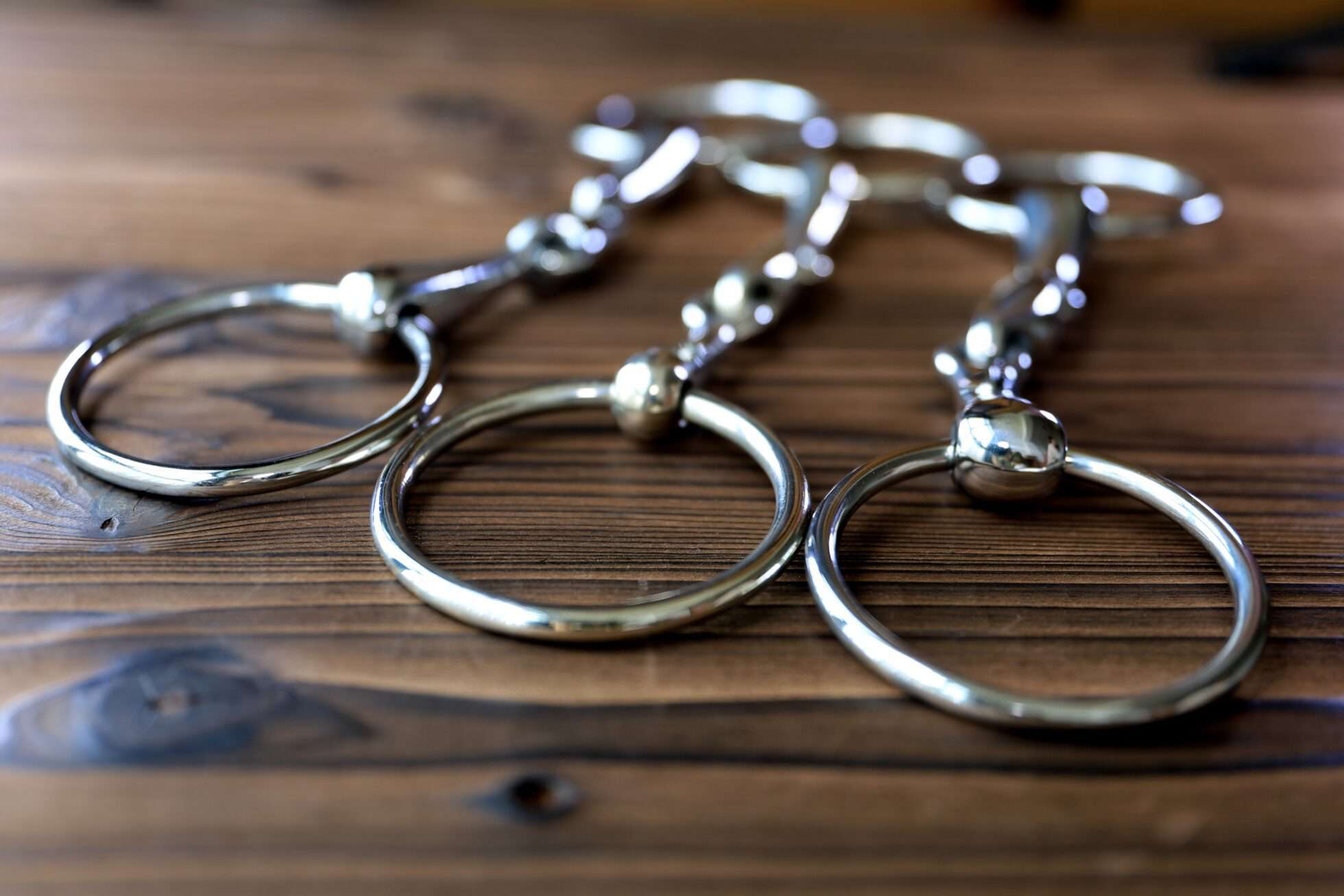

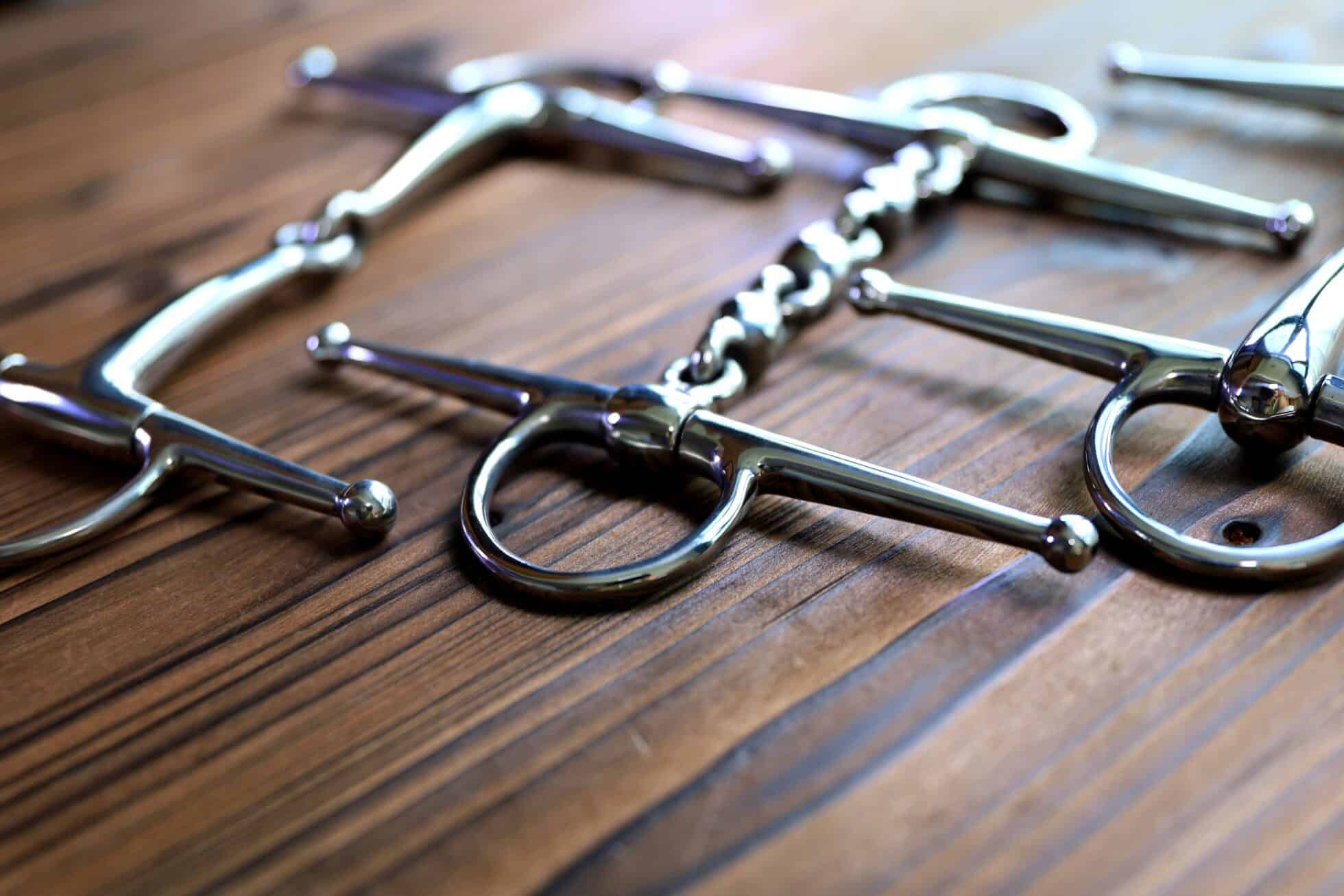
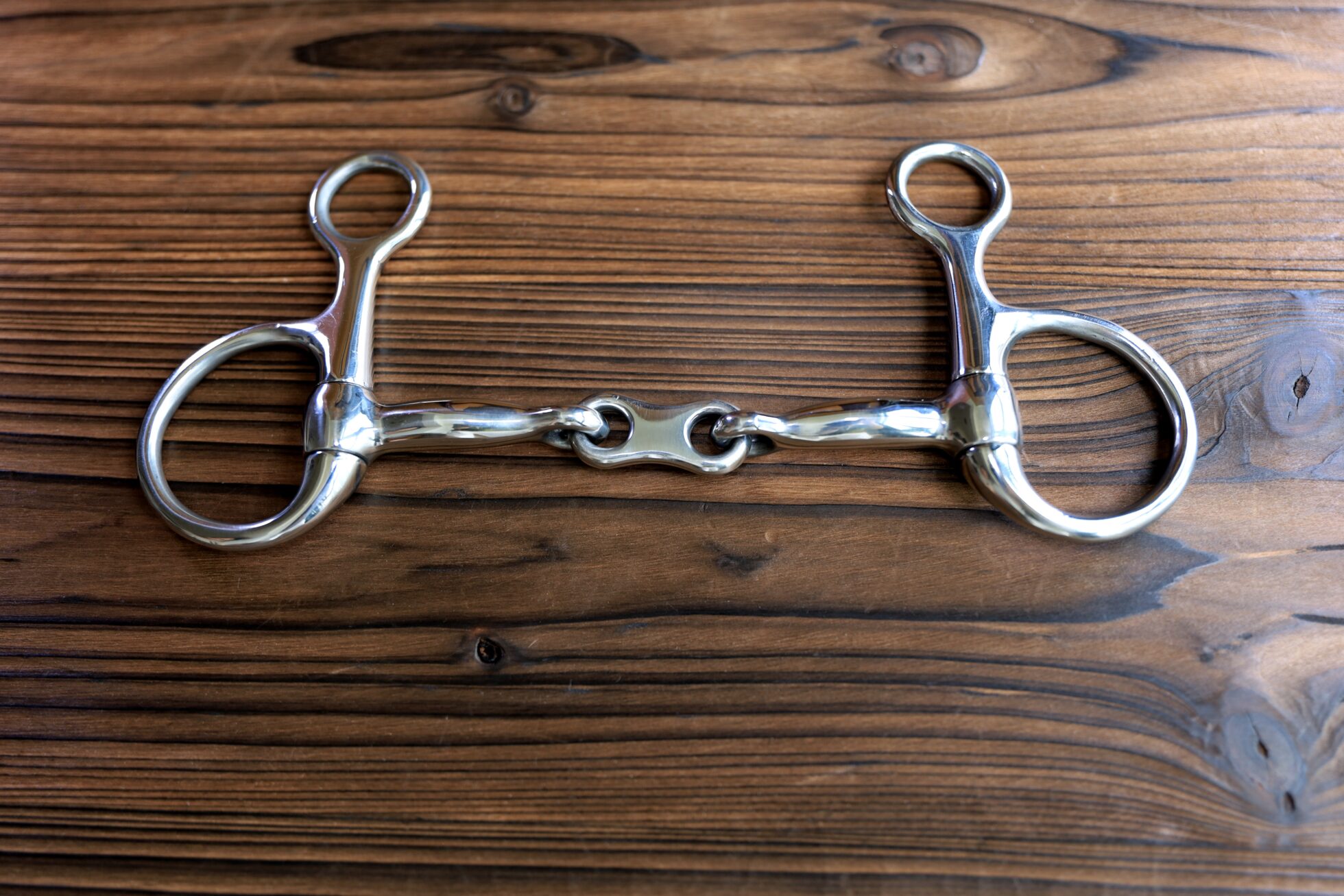
How to Choose Your Right Snaffle Bit for Competition
Know Your Discipline’s Snaffle Bit Rules to Avoid Penalties in Competitions.
Dressage Competition Rules
- Snaffle bits are allowed at all dressage levels. Double bridles are mandatory at upper levels.
- Unconventional mouth
- Leverage cheekpieces like
- Decorative elements on mouthpieces are prohibited. Copper inlays, for example, are not allowed.
Hunter Competition Rules
- Simple snaffles are preferred. Unique mouthpiece shapes may be looked down on by judges.
- Leverage or gag cheekpieces are not permitted, with the exception of the Fulmer.
- Rough, sharp edges or multiple joints are strongly discouraged and may incur penalties.
- Bits should conform to the general styles commonly used by hunters.
Other English Disciplines
- Most English disciplines permit sna
- Rules prohibit excessive leverage, rough textures, and unconventional designs.
- Gag or elevator bits are only seen in jumping and some speed events.